
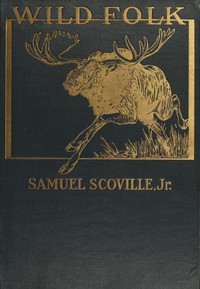
Wild Folk by Samuel Scoville
Samuel Scoville Jr.'s Wild Folk is a quiet, unsettling novel from 1921 that feels both familiar and deeply strange. It follows John Harnsworth, a city man who unexpectedly becomes the owner of Hawkwood, a vast, neglected property deep in the Pennsylvania backwoods. The inheritance comes with a warning: the locals fear the land, speaking of 'wild folk'—beings that are not quite animal, not quite human—who haunt the forest. Dismissing this as folklore, John moves to restore the estate, only to have his rational worldview slowly dismantled by eerie sounds, fleeting glimpses of figures in the trees, and a growing sense that the woods are watching him.
The Story
The plot is simple but effective. John's attempt to tame the wilderness and uncover the truth about Hawkwood's past becomes a personal quest. He finds an unlikely ally in a brave local girl, Cynthia, who understands the old stories better than he does. Together, they piece together a tragic history involving John's own ancestors and the mysterious 'folk' of the woods. The conflict isn't a giant battle; it's a tense, psychological push-and-pull between man's desire to conquer nature and the ancient, secret life that refuses to be conquered. The climax hinges on a choice that could mean salvation or disaster for everyone involved.
Why You Should Read It
I loved this book for its mood. Scoville doesn't rely on jump scares. He builds dread through perfect little details—the way a shadow moves wrong, the unnatural silence of a clearing, the primal fear in his dog's eyes. The 'wild folk' are never fully explained, which makes them far scarier. Are they a lost tribe? Something else? The ambiguity is the point. It's also a surprisingly thoughtful book about belonging and guilt. John isn't just fighting monsters; he's wrestling with the sins of his family and wondering if he can make things right.
Final Verdict
This is a perfect pick for readers who love slow-burn, atmospheric horror and historical fiction with a speculative twist. If you enjoy the eerie wilderness vibes of Algernon Blackwood's The Wendigo or the folk-horror tension of movies like The Witch, you'll feel right at home. It's not a fast-paced thriller, but a patient, haunting story that lingers. Fair warning: the language and some attitudes are very much of its 1920s time, but if you can settle into its rhythm, Wild Folk offers a uniquely creepy trip into the American Gothic.
No rights are reserved for this publication. It is now common property for all to enjoy.
Richard Thompson
1 year agoHonestly, the arguments are well-supported by credible references. I will read more from this author.




David Rodriguez
9 months agoI had low expectations initially, however the depth of research presented here is truly commendable. Exactly what I needed.