
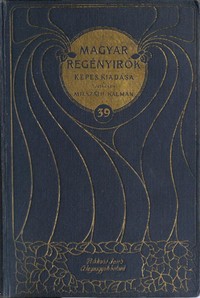
A legnagyobb bolond: Regény by Jenő Rákosi
Jenő Rákosi's A legnagyobb bolond (The Greatest Fool) is a novel that feels surprisingly modern for a book from the late 1800s. It’s a character study wrapped in a social satire, and it asks a simple, compelling question: what happens when someone decides to let the world think they’re an idiot?
The Story
The plot follows a central character—often just called 'the fool'—who consciously adopts the role of a simpleton in Hungarian aristocratic society. He says outrageous things, behaves with apparent stupidity, and becomes the laughingstock of the elite circles he moves in. But Rákosi lets us in on the secret from the start: this is an act. The real story isn't about what he does, but why he's doing it. The narrative weaves through glittering balls and tense family gatherings, showing how his performance affects those around him, exposes their prejudices, and slowly reveals the deep personal reasons behind his elaborate charade.
Why You Should Read It
This book hooked me because it’s so much more than a historical piece. Yes, the setting is specific, but the core idea is universal. We’ve all felt like putting on an act sometimes, or have met someone we just couldn’t figure out. Rákosi writes with a sharp, observant eye. He’s not just mocking society; he’s exploring loneliness, performance, and the pain that can hide behind a smile (or a foolish grin). The 'fool' is a fascinating puzzle. You sympathize with him, get frustrated by him, and are constantly trying to piece together his true motives alongside the other characters in the book. It’s a masterclass in showing how a single, strange choice can expose the truths of an entire community.
Final Verdict
This is a perfect pick for readers who love character-driven stories with a psychological edge. If you enjoyed the secret identities in The Count of Monte Cristo or the social observations in Jane Austen’s novels, but want something with a darker, more central mystery, you’ll find a lot to love here. It’s also a great gateway into classic Hungarian literature—it’s engaging and thought-provoking without being dense. Fair warning: it’s a novel that makes you think. You’ll finish the last page and keep wondering about the masks people wear, and what it really means to be the smartest person in a room full of fools.
This historical work is free of copyright protections. Enjoy reading and sharing without restrictions.
Joshua Brown
1 year agoAmazing book.
Michael Hernandez
5 months agoRead this on my tablet, looks great.
Emily Martin
1 year agoFive stars!
Noah Thomas
2 months agoI stumbled upon this title and the atmosphere created is totally immersive. One of the best books I've read this year.